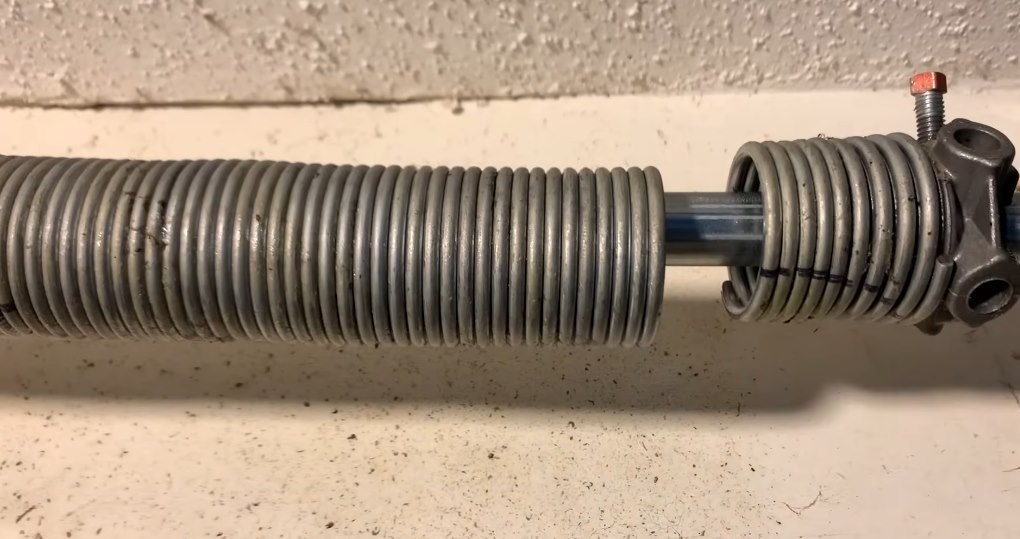
Garage Door Spring Repair in Little Elm, TX
Did you hear a loud bang from the garage, or is your garage door suddenly heavy, stuck closed, crooked, or opening only a few inches? Request garage door spring repair in Little Elm, TX 75068 for broken torsion springs, extension springs, loose cables, shifted drums, and door-balance problems before forcing the opener.
Broken Spring Signs
Garage Door Spring Problems We Help Identify
Spring problems often show up as a heavy door, loud noise, loose cable, or opener that suddenly cannot lift the door. These signs should be checked before the door is forced.
First Step
What to Do If Your Garage Door Spring Breaks
A broken spring can make the garage door too heavy to lift safely. The safest next step is to stop using the opener and have the door system checked before more parts are damaged.
Do Not Force the Opener
If the opener hums, strains, or lifts the door only a few inches, repeated attempts can damage the motor, trolley, gear, chain, belt, or rail.
Keep the Door Area Clear
A door with a broken spring, loose cable, or crooked movement can shift unexpectedly. Keep people, vehicles, and stored items away from the door path.
Avoid Spring Hardware
Spring tension can be dangerous. Do not loosen set screws, remove brackets, or use makeshift winding tools. The spring system should be handled with proper equipment.
System Balance
Why a Broken Spring Affects the Whole Garage Door System
Garage door springs help counterbalance the weight of the door. When spring tension is lost, the opener, cables, drums, rollers, hinges, tracks, and panels can all be affected.
Torsion Spring Problems
Torsion springs are mounted above the garage door. A visible gap, sudden loud bang, loose cable, or heavy door can point to lost torsion spring tension.
Extension Spring Problems
Extension springs run along the sides of some garage doors. Stretched springs, uneven lifting, or missing safety cables can create unsafe door movement.
Opener Strain From a Heavy Door
The opener is not designed to lift the full weight of an unbalanced door. A broken spring can make the opener hum, stop early, strain, or fail to move the door.
Assessment
What a Spring Repair Assessment Should Check
A useful spring repair assessment should confirm what failed, what remains usable, and whether related parts were affected when the door lost balance.
Repair Decision
Should One Spring or Both Springs Be Replaced?
On a two-spring system, both springs often have similar cycle wear. The recommendation should be explained clearly so you understand whether one spring failed alone or the second spring is also near the end of its useful life.
One Spring May Be the Main Failure
If the second spring is in better condition and the door can be balanced correctly, the repair report should explain why one spring is the main issue.
Both Springs May Need Attention
If both springs are the same age, show similar wear, or the door cannot balance correctly, replacing both may be discussed as a practical option.
The Reason Should Be Clear
Before approving work, ask why the recommendation is being made and whether the quote separates required repair from optional related parts.
Related Parts
Spring Repair or Related Part Repair?
A spring issue can create symptoms that look like cable, opener, track, or roller problems. The full system should be checked so the actual cause is not missed.
Spring-Only Issue
Spring repair may be the main need when the door is otherwise sound, cables are seated correctly, tracks are aligned, and the opener was not strained.
Related Part Issue
Loose cables, shifted drums, worn rollers, damaged hinges, bent tracks, or crooked movement may need attention along with the spring problem.
Opener Issue After Spring Failure
If the opener was used repeatedly while the door was heavy, the trolley, gear, chain, belt, rail, or motor may need to be checked.
Little Elm Conditions
How Little Elm Weather and Daily Use Affect Garage Door Springs
Springs wear through repeated cycles, but local conditions can affect how the full door system moves. Heat, dust, storm moisture, and daily use can contribute to noisy movement, dry parts, corrosion risk, and added opener strain.
Heat and Temperature Changes
Texas heat and seasonal temperature swings can affect lubrication, metal parts, seals, and how smoothly the door moves through the tracks.
Dust and Garage Exposure
Dust can collect around rollers, hinges, tracks, and spring hardware. Dry or dirty moving parts can make an already worn system louder and harder to move.
Daily Opening and Closing
Each open and close cycle adds wear to springs, cables, rollers, hinges, and opener parts. Busy households may notice heavy movement or noise sooner.
Garage Door Spring Repair Questions
Need Help With a Broken Garage Door Spring in Little Elm?
If your garage door made a loud bang, feels too heavy, has loose cables, looks crooked, or opens only a few inches, request help before forcing the opener. The safest next step is to check the spring, cables, door balance, and opener strain together.