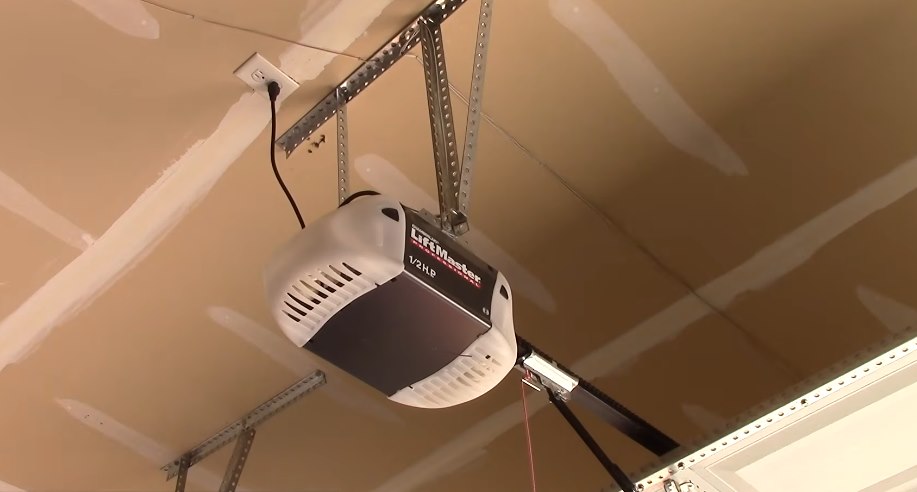
Garage Door Opener Repair in Little Elm, TX
Garage door opener running, clicking, humming, blinking, or stopping before the door fully opens or closes? Request garage door opener repair in Little Elm, TX for remote, wall-control, trolley, chain, belt, rail, travel-limit, motor, and photo-eye sensor problems. We also check whether a heavy or out-of-balance door is causing opener strain.
Opener Symptoms
Garage Door Opener Problems We Help Identify
Opener trouble can look simple from the wall button, but the cause may be in the motor unit, trolley, rail, chain, belt, safety sensors, travel limits, or the garage door itself.
Common Cause
Why an Opener May Run but the Door Does Not Move
A garage door opener can sound like it is working even when the door stays in place. The issue may be inside the opener, but it can also come from a disconnected trolley, broken spring, loose cable, binding track, or heavy door load.
Emergency Release or Trolley Disconnection
If the red emergency release has been pulled, the opener may run while the door remains disconnected from the carriage. The trolley connection should be checked before assuming the motor has failed.
Broken Spring or Heavy Door Load
A working opener is not designed to lift the full weight of a door with a broken or weak spring. If the door feels unusually heavy, the opener may stop, hum, or strain.
Chain, Belt, Rail, or Gear Problem
A loose chain, worn belt, damaged trolley, stripped gear, or rail issue can prevent the opener from transferring movement to the garage door.
Controls and Power
Remote, Wall-Control, and Power Issues
If the opener does not respond from the remote or wall control, the problem may involve power, programming, a lock setting, signal range, wiring, or the opener control board.
Remote or Wall Button Does Not Work
Remote batteries, lost programming, wall-console lock mode, damaged buttons, signal interference, or wiring problems can stop the opener from receiving a command.
Opener Has No Power or Intermittent Power
The outlet, breaker, plug connection, opener lights, and response from the motor unit should be checked before replacing parts or assuming the opener has failed.
Safety Sensors
Garage Door Safety Sensor Repair and Alignment
If the door starts closing and then reverses, the photo-eye safety sensors may be blocked, dirty, misaligned, affected by sunlight, or connected through damaged wiring.
Blinking Sensor Lights
Blinking or missing sensor lights often point to alignment, wiring, power, or obstruction issues. Dust, storage items, and garage activity can knock sensors out of position.
Door Reverses Near the Floor
A reversing door may be reacting to sensor interruption, travel-limit settings, force settings, or an obstruction near the bottom of the opening.
Sunlight, Dust, and Moisture
Little Elm heat, sunlight, dust, and storm moisture can affect sensor lenses and alignment, especially when sensors are exposed near the garage opening.
Repair or Replace
Should You Repair or Replace Your Garage Door Opener?
Opener repair may be the right choice when the problem is limited to a serviceable part. Replacement may make more sense when the opener has repeated failures, severe motor trouble, outdated safety features, or unavailable parts.
Opener Repair May Be Suitable
Repair may be suitable for sensor alignment, remote programming, wall-control issues, trolley connection, travel-limit adjustment, chain tension, belt condition, or minor hardware problems.
Opener Replacement May Be Considered
Replacement may be considered when the motor has repeated failures, internal gears are stripped, parts are no longer practical, or the opener lacks modern safety functions.
The Door Must Be Checked Too
An opener problem is not always an opener-only problem. Springs, cables, rollers, tracks, hinges, and door balance should be reviewed so the opener is not blamed for a heavy or binding door.
Assessment
What the Opener Assessment Checks
A useful opener assessment should look at both the motor unit and the garage door system. That helps separate a true opener failure from a door-balance, spring, cable, roller, track, or sensor issue.
Little Elm Opener Help
Need Garage Door Opener Repair in Little Elm?
If your opener is clicking, humming, blinking, reversing, or running without moving the door, request help identifying the cause. The opener, sensors, controls, rail, trolley, and full door system should be checked before deciding on repair or replacement.
Garage Door Opener Repair FAQs
Need Garage Door Opener Repair in Little Elm?
If your opener is clicking, humming, blinking, reversing, or running without moving the door, request help identifying the cause. We can help review the opener, sensors, controls, rail, trolley, and the door system so you know the safest next step.