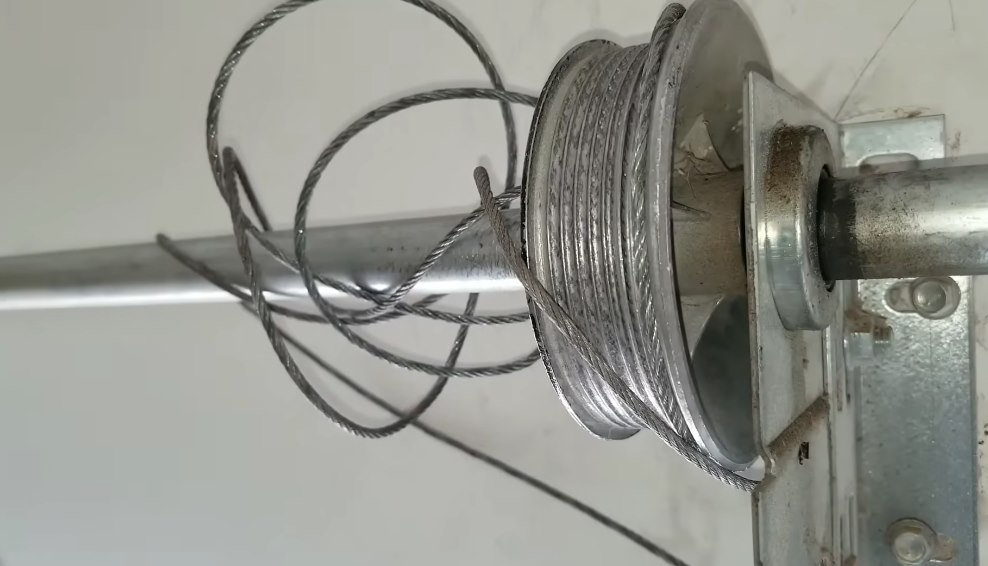
Garage Door Cable Repair in Little Elm, TX
Is a cable hanging beside your garage door, frayed near the bottom bracket, or off the cable drum? If one side of the door sits higher than the other, stop using the opener and request garage door cable repair in Little Elm, TX 75068. We help check the cable, drum, spring tension, track, and door balance before the door is used again.
Recognize the Problem
Signs Your Garage Door Cables Need Attention
A cable may hang loose beside the track, look frayed, or come off its drum. You might also notice the door going up crooked or leaving a gap under one corner.
These signs can overlap with spring, drum, track, and roller problems. An inspection should establish what failed before deciding which parts need attention.
Before Further Use
What to Do When a Garage Door Cable Breaks or Comes Off
Stop using the opener and keep people away from the door. A crooked or partly open garage door may be unstable, and cable attachments can remain under spring tension.
Safety note: Do not pull the door straight, push it back into the track, rewind the cable, or loosen its attachment hardware. Do not move the door just to investigate the problem.
Understand the Difference
Broken Cable, Loose Cable, or Cable Off the Drum?
A hanging cable is not always a snapped cable. Identifying its condition and checking related hardware helps determine the appropriate repair.
Broken or Frayed Lift Cables
Lift cables work with the spring system to raise and lower the door. Broken strands, unraveling, or significant deterioration may require replacement. The inspection should also look for rubbing or another condition that could damage the replacement cable.
Loose Cables or Cables Off the Drum
On a torsion-spring system, an intact cable may slip out of the grooves in its cable drum. Reseating may be suitable after inspection, but the assessment should explain why it came off and whether the cable remains serviceable.
Crooked Doors and Uneven Movement
If one corner lifts while the other stays down, cable damage or displacement may be involved. Springs, drums, tracks, and rollers also need checking. Explain which side is higher or where the door drags rather than guessing which part failed.
Find the Underlying Cause
Why Garage Door Cables Keep Coming Off
When a cable comes off repeatedly, putting it back may not resolve the underlying problem. The door’s balance, cable routing, and mechanical movement should be considered together.
Spring Balance and Cable Tension
Springs and lift cables operate together. A spring-system problem can affect how the cables carry the door’s weight. The assessment should consider door balance rather than treating the loose cable as an isolated fault.
Cable Drum Seating and Routing
On a torsion system, lift cables follow grooves in the drums. Incorrect routing, damaged components, or a seating problem can affect movement. The technician should check the cable path and whether the components suit the door system.
Binding, Obstructions, and Damaged Hardware
A binding roller, damaged track, obstruction, or another mechanical problem may interfere with movement. Mention any recent impact, object caught beneath the door, or repair completed before the cable trouble started.
If the cable keeps coming off, ask what is causing the repeat failure and how the proposed work addresses it.
Complete System Assessment
What a Garage Door Cable Assessment Should Check
A cable problem can involve more than the visible wire. Checking both sides of the door and the related hardware helps explain what needs repair and what can remain in use.
Both Cables and Their Attachment Points
Both sides should be inspected for broken strands, wear, corrosion, routing problems, and damage at the attachment points. Bottom brackets and cable fixtures require careful handling because they connect to the spring system.
Springs, Drums, and Related Hardware
The inspection should consider the springs, cable drums or pulleys, shaft, and supporting hardware. The recommendation should explain any related fault and why additional parts are necessary.
Tracks, Rollers, and Door Movement
Tracks, rollers, hinges, and door sections should be checked for damage or binding. After the necessary work, the provider should check door balance and movement before confirming opener operation.
Repair Options
Cable Reseating or Cable Replacement?
The appropriate work depends on whether the cable is damaged, displaced, or unsuitable for the system. A cable problem does not automatically mean you need a new garage door.
When Reseating May Be Suitable
An intact cable that has come off its drum may be suitable for reseating after inspection. The decision depends on its condition, compatibility, and the reason it became displaced.
When Replacement May Be Needed
Fraying, broken strands, substantial corrosion, or other damage may make replacement necessary. Ask the technician to explain the cable’s condition and why it should not remain in use.
Should Both Cables Be Replaced?
The recommendation should consider both cables, including their condition and compatibility with the system. If only one side appears damaged, ask why replacing one or both is appropriate.
Know Your Door System
Lift Cables and Extension-Spring Safety Cables
Different garage door cables serve different purposes. Identifying which cable is damaged helps establish the correct repair scope.
Lift Cables Help Raise and Lower the Door
Lift cables transmit force from the spring system to the door. Depending on the design, they work with cable drums or pulleys to support controlled movement.
Safety Cables Serve a Different Purpose
Extension-spring safety cables run through the springs to help contain them if they break. They are different from lift cables and should be identified separately during the assessment.
Before Approval
Review the Cable Repair Scope Before Approving Work
Ask what failed, whether the cable is damaged or displaced, and whether another component contributed to the problem. The explanation should connect the proposed work to the condition of your door.
If the recommendation changes during the job, request an explanation and updated scope before approving additional work.
Garage Door Cable Repair FAQs
Need Garage Door Cable Help in Little Elm?
Describe what you can see: a hanging cable, frayed strands, a crooked door, or one side that will not move properly. Provide your Little Elm service address and confirm coverage, availability, and the attending provider before scheduling.